
Searching Lake County Civil Dockets
Begin with the Colorado Judicial Branch Docket Search. Pick the 5th Judicial District, then Lake County, the correct court, and a date or range. One more filter is required. Case year, class, and sequence work well when you have them. You can also search a party by first and last name, a business by business name, or counsel by attorney name or bar number. Limit the location to Lake County so lookalike names from elsewhere in Colorado do not flood the results.
What court should you pick? Choose District Court for a CV matter and County Court for a C or S matter when the case papers confirm that class. DR, PR, and CW are separate District Court classes covering domestic relations, probate, and water. The free results list settings only. The complaint, answer, motion, order, or judgment image does not appear there.
- Read the case notice and identify District Court or County Court.
- Select Lake County, a date range, and the matching court in the state docket search.
- Add the full case-number segments, party name, business name, attorney, or division.
- Match the result by court, caption, case number, hearing type, and location.
- Request the ROA or exact civil document from the Combined Court clerk when the setting list is not enough.
Lake County Civil Forum Map
The case class is the quickest guide. It shows which Lake County civil docket holds a matter. District Court takes general civil cases and also runs the domestic-relations, probate, and water dockets. Its official 5th District overview describes civil disputes over $25,000. County Court handles civil matters under $25,000. Small claims run up to $7,500, excluding interest and costs. That is the local split. Still, the case caption and any court notice remain the best routing source.
| Class | Lake County court | Typical civil stream |
|---|---|---|
| CV | District Court | General civil matters within District Court jurisdiction |
| C | County Court | County civil matters within the lower court limit |
| S | County Court | Small claims |
| DR | District Court | Domestic relations |
| PR | District Court | Probate |
| CW | District Court | Water matters |
A typical number blends filing year, class, and sequence, like 2026CV123. Copy the exact format printed on the record, adding or removing no punctuation.
Inside a Lake County Civil Docket
Think of a civil ROA as the chronological index behind the public calendar. Its header can carry the year, class, and sequence. The Lake County court, division, caption, filing date, and status may appear too. Party blocks list roles such as plaintiff and defendant or petitioner and respondent. The event list may show a complaint or petition. It can also list summons and service, answer, motions, and minute orders. Hearing notices, rulings, judgment, satisfaction, writ activity, and appeal may follow. The public calendar fills in the date and time. Estimated duration, hearing type, location, appearance type, and courtroom appear where those fields exist.
| Case identity | Year, class, sequence, court, county, division, caption, filing date, and available status. |
|---|---|
| Parties and counsel | Civil roles and associated attorneys, subject to public-access limits. |
| Chronology | Filings, service, motions, minute orders, notices, settings, and later court action. |
| Outcome record | Order, judgment, decree, dismissal, satisfaction, or appeal only when the official entry or document supports it. |
| Remote limits | No promise of detailed financial fields, free text, contact data, protected identifiers, or document images. |
A calendar hit cannot tell you what a complaint alleged or what a judge ordered. Those answers live in the Lake County civil ROA or the filed paper from the clerk.
Lake County Civil Calendar Versus File
The free Lake County civil docket exists to find a hearing. It does not display a pleading. It confirms where and when a matter is set. It will not produce the complaint PDF, exhibits, signed order, or certified judgment. A paid approved vendor can supply a real-time ROA. Coverage includes civil, water, small-claims, domestic, and other case types. Colorado cautions that vendor data is not the official record. It may omit a case or contain an error.
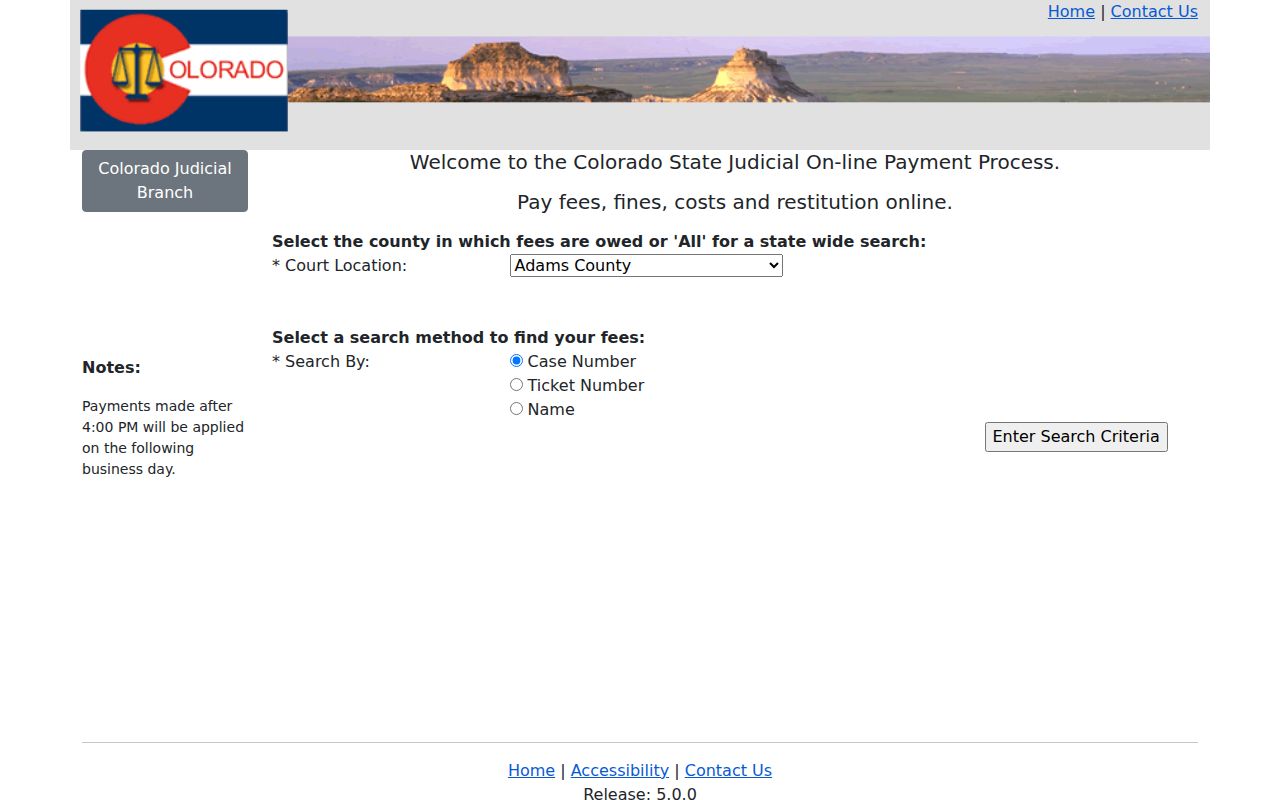
The Colorado online payment and case lookup is another narrow channel. It searches by case number, ticket number, or name before payment. A payment result does not replace the civil docket or the official file.
Need the words of an order? File a Judicial Branch record request and ask for that order. For an authenticated copy, mark certification and let the Combined Court clerk calculate the applicable charge.
Civil Case Types on the Docket
Lake County civil dockets span more than one courtroom. They cover more than one kind of claim. General civil disputes land in District Court or County Court by jurisdiction. Small claims carry their own County Court class. Domestic-relations, probate, and water cases use District Court classes. They can come with tighter access rules than an ordinary public contract dispute. Read the class first so you never search the wrong forum.
- CV for District Court general civil matters
- C for County Court civil matters within its jurisdiction
- S for Lake County small claims
- DR for domestic-relations matters
- PR for probate cases
- CW for water cases
The elected Lake County Clerk and Recorder shares the 505 Harrison Avenue address, but that office does not hold these judicial files. Civil pleadings, ROAs, and judgments live with the Clerk of Court instead. That office sits inside the Lake County Combined Court.
Lake County Civil Clerk Mix-Up
The shared courthouse address creates a distinct Lake County records mix-up. The Clerk of Court works inside the state Judicial Branch. It maintains District and County Court case files. The elected Lake County Clerk and Recorder is separate. By contrast, it handles deeds, elections, vehicle and title work, and other county functions. Send a civil judgment request to the Recorder. Your search stalls, because that office cannot certify a District Court or County Court order.
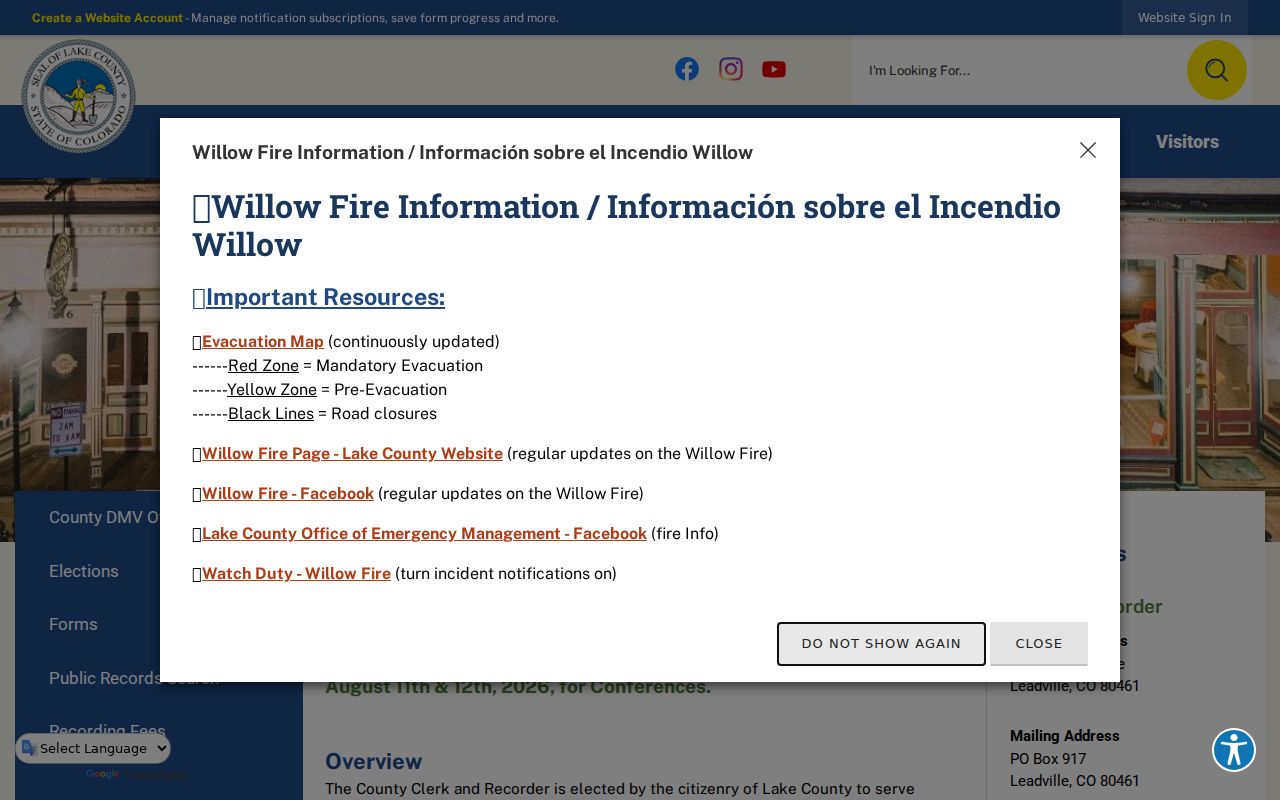
The county's Clerk and Recorder page helps you spot the separate county office.
For a Lake County civil docket, use the Combined Court records route. For a recorded deed or county land record, use the elected Recorder's system. The right office follows the record type, not just the building address.
Civil Docket Settings and Hearings
A setting reserves court time. It is not a ruling. A notice of hearing may put a motion, status conference, or trial on the Lake County civil docket. A later continuance, reset, vacated setting, minute order, or courtroom direction can replace that first notice. So read the entries in date order. Find the newest setting. Match the full case number and court rather than relying on a party name alone.
Appearance details need care too. The calendar may state IN PERSON, VIRTUAL, TELEPHONE, or nothing. Virtual links alone do not authorize a remote appearance. Lake County's official local rule requires an advance motion before the County Court judge. Call the Combined Court at 719-293-8100 when a near-term civil setting is blank, changed, or in conflict. The issuing court controls the current setting.
Note: a motion entry records a request, while the later minute order or signed order records the court’s action on it.
Lake County Civil Judgment Records
Civil docket filings are not all the same thing. An Order for Judgment states the court’s ruling. A Transcript of Judgment is a separate certified judgment record used in statutory recording or enforcement procedures. A Satisfaction of Judgment is a later filing showing that the judgment obligation has been satisfied. Garnishment or writ activity comes after judgment. It does not replace the original judgment. So ask for the exact item rather than a vague “full record.”
The state request form offers an Order for Judgment, Transcript of Judgment, Satisfaction of Judgment, and protection order. A Transcript of Judgment costs $25. A Certificate of Satisfaction costs $20. Plain pages run $0.25 each. Certification or exemplification is $20 per document, plus copies as applicable. An old or off-site Lake County civil file may add actual retrieval cost.
- Order for Judgment
- The filed document stating the court’s civil ruling.
- Transcript of Judgment
- A certified judgment record used for the statutory recording or enforcement route.
- Satisfaction of Judgment
- A filing that records satisfaction of the judgment obligation.
- Certified copy
- A copy authenticated by the Lake County Combined Court clerk.
Lake County Civil Record Request Chain
Check the free state calendar first. It costs nothing. An approved vendor sells a charged, unofficial real-time ROA when that level of detail serves the need. For the official ROA, order, judgment, or certification, submit the statewide Record/Document Request Form. Email LakeRecordsRequest@judicial.state.co.us as an alternative. Visit the Combined Court records counter at 505 Harrison Avenue. Or mail Lake County Combined Courts, Attn: Records, P.O. Box 55, Leadville, CO 80461. Call 719-293-8100 ext. 9 or the Clerk of Court at 719-293-8105 when the procedure or setting is uncertain. The current court page lists fax 719-293-7420. An older source differs, so confirm that number first.
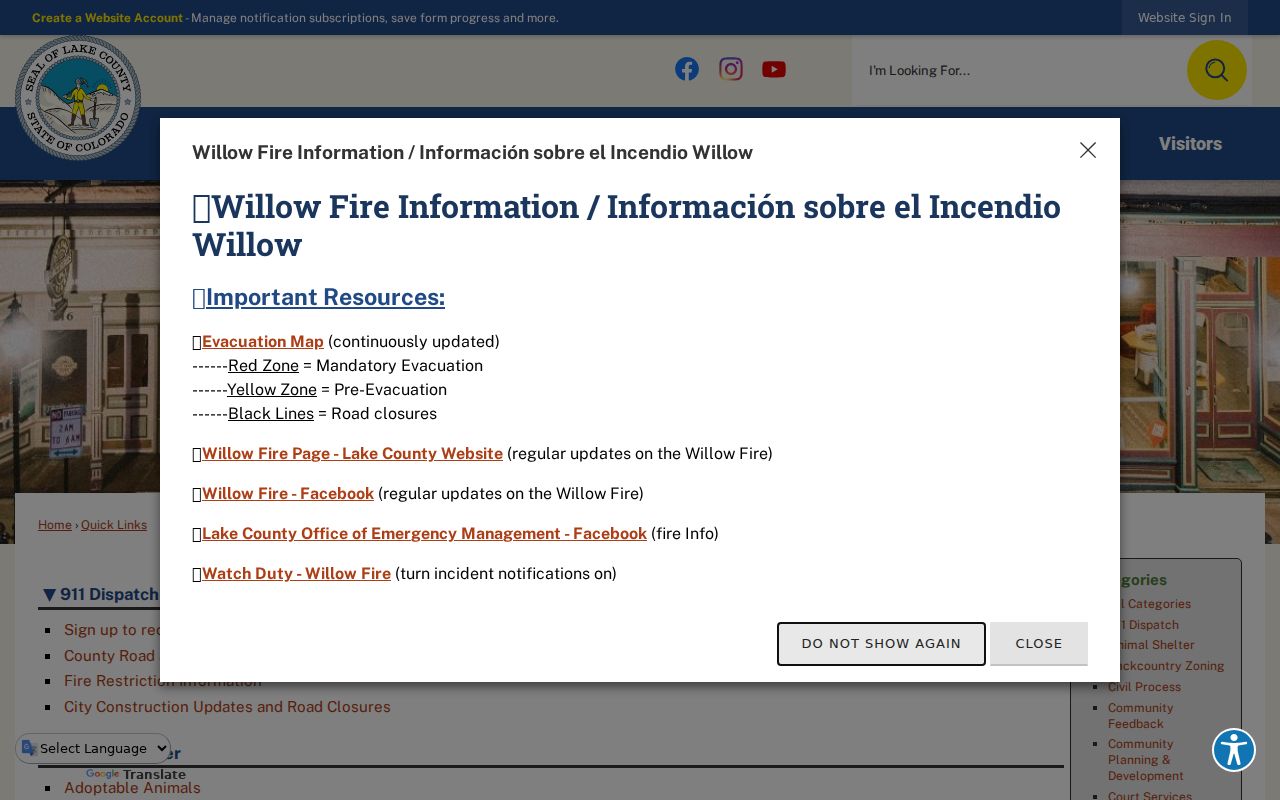
Lake County’s official Quick Links page points residents to the Colorado court docket and the 5th Judicial District.
That routing page is a doorway, not the file. For probate, suppressed, or protected material, the clerk may ask for government photo identification or proof of authority. An ordinary record-form response should arrive within three business days. Retrieval, redaction, or volume can add time.
Civil Docket Access Rules
Chief Justice Directive 05-01 governs Colorado court-record access. Public access under it means reasonable inspection and copying in Lake County civil cases, subject to privacy rules. It does not mean every trial-court document appears online. Domestic-relations and probate results can be narrower than an ordinary public civil case. Protected identifiers may be redacted before release. Restricted, suppressed, or sealed documents remain limited to the groups the court’s security rules allow.
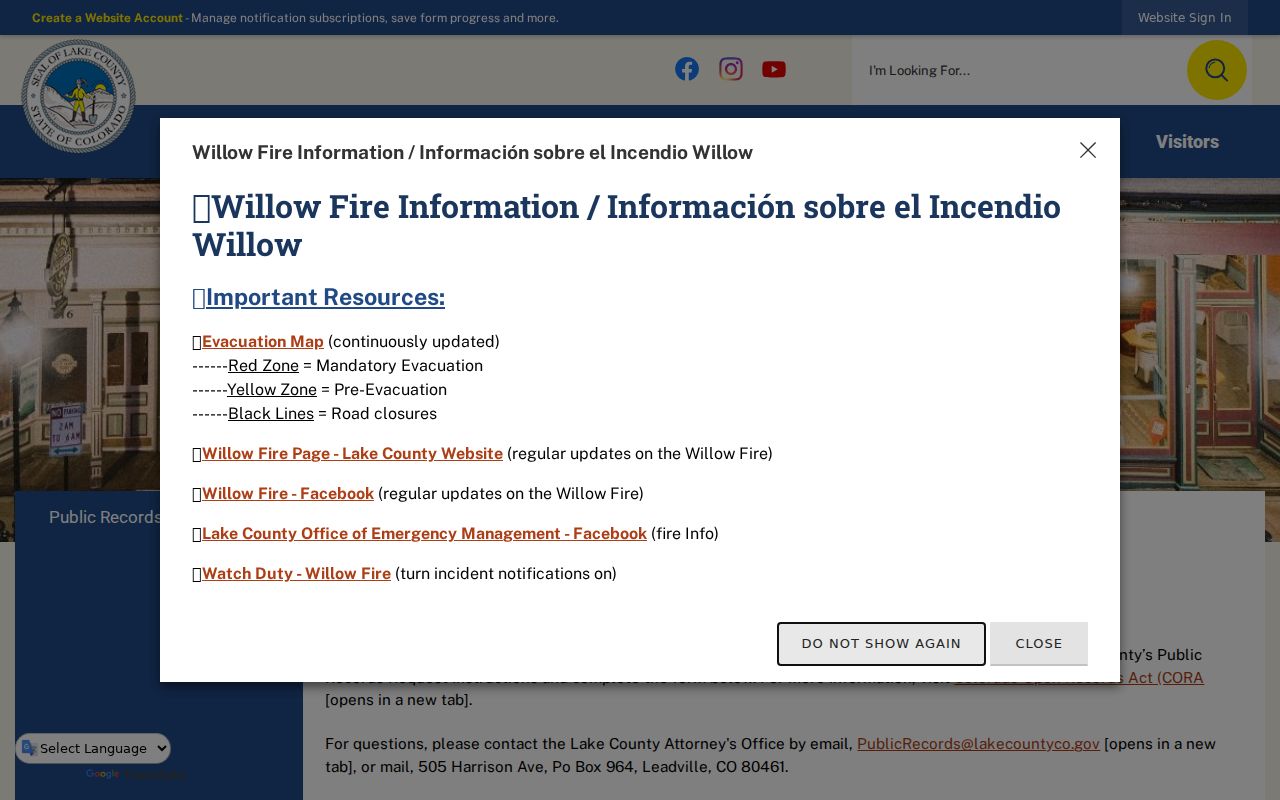
The Lake County CORA form covers administrative records. It is not the preferred route for a District Court or County Court case file.
A civil pleading or judgment request belongs under the Judicial Branch process. CORA covers county administrative records, and CJD 05-01 covers court-case records. Each office then answers what it holds.
Key rules:
Chief Justice Directive 05-01 controls public access, inspection, copies, and electronic requests for Colorado court records.
Chief Justice Directive 06-01 governs court-record retrieval, research, redaction, copy, scan, and waiver practices.
Colorado Open Records Act applies to Lake County administrative records, not as a substitute for a judicial case-file request.
Lake County Land Records Are Separate
A property dispute may show up on a Lake County civil docket. The court file and the land file are different records. The civil docket tracks pleadings, service, motions, hearings, orders, and judgment. The Recorder’s land system holds recorded instruments. Neither one answers for the other. A deed search cannot show what the judge ruled. A civil calendar result cannot supply the county’s recorded instrument.
The Lake County recording and copy page illustrates the separate land-record channel. It also covers its in-office terminals.
Use the Combined Court clerk for the lawsuit record. Use the elected Recorder for recorded land instruments. If both matter, request each from its own office and do not treat one as a substitute for the other.